Featured
:max_bytes(150000):strip_icc()/DebtRelief-BestDebtReliefCompaniesImage-65c32a5716014aeca3a4e55477cb8130.png)
Table of Contents
Even if you aren't fretted about increasing rates, the longer you bring debt, the costlier it is, the more discouraging it can be, and the more difficult it is to accomplish other goals. Starting a brand-new year owing money can take a psychological toll.
Start by collecting a few essential files and pieces of information. That can help you understand what you owe and how much you can truly pay for to pay towards becoming debt-free. Here are the key steps: Make a total list of your arrearages, the rates of interest, and the balances due.
is a terrific resource for acquiring your credit apply for free, and seeing arrearage at a glimpse. Track your costs. Take a look at your bank and charge card declarations to track your spending. Using a budgeting app might be valuable here to see exactly just how much of your cash is going to basics like groceries and costs, and how much is going to non-essentials like consuming out or motion picture tickets.
Research study alters to legal guidelines: For example, in 2025 through 2028, vehicle loan interest will be tax-deductible for qualified individuals as a result of arrangements in the One Big Beautiful Expense Act. Utilizing the info you gather, determine the following: Total exceptional debtBalance of each debt, and the rate of interest you are being chargedWhether interest for each is tax-deductible (bearing in mind that the rules can alter gradually, so checking again in future is wise)Due date for monthly paymentsFunds you could use towards financial obligation reward Getting organized provides you a clear image of where you stand, what time frame for financial obligation payoff is practical, and what financial obligation relief options are worth pursuing.

Professional Insolvency Guidance for the 2026 Economic Crisis
The two primary methods are the debt snowball and the debt avalanche. Involves lining up your debts from tiniest to biggest, and taking on the smallest debt. You continue this way with all your debts up until you have actually paid everything off.
State you have $200 of discretionary earnings in a month, and $10,000 of credit card financial obligation across 5 credit cards. Pay the minimum payments on all 5 credit cards, however designate as much of that $200 as you can to paying off the credit card financial obligation with the smallest balance.
A huge benefit of the debt snowball method is that you settle your very first financial obligation rapidly, which might assist motivate you to remain on track. Andr Small, a licensed monetary planner based in Houston, Texas and creator of A Small Investment, states a number of his low-income customers choose the snowball method, while individuals with more discretionary earnings might be inclined to utilize the debt avalanche.
As with the snowball, make at least the minimum payment for all of your cards, with extra money going to the card with the greatest APR (annual percentage rate). That first debt you pay off might not have the smallest balanceit could even have the highestbut this technique conserves you cash in interest over time vs.
That's because you due to the fact that off the costliest debtFinancial obligation
MethodCostTime to FinishCredit ImpactHow it WorksBest ForDebt management planTypically under $50/month3 -5 yearsYesA nonprofit credit counseling agency works out a repayment prepare for all of your unsecured debtFull debt repayment with professional finance guidanceDebt ConsolidationVariesVariesYesYou take a brand-new loan to repay several existing financial obligations. Decreasing your rate (if you get approved for less expensive financing)Balance Transfer3-5%VariesYesYou transfer existing charge card financial obligation onto a new card with 0% balance transfer deal.
Many unsecured debts are eligible to be forgiven Chapter 13 involves a three- to five-year payment strategy. Borrowers who need legal security from creditorsEach option has benefits and drawbacks. Here's a little bit more detail about how each works: Financial obligation combination: If you qualify for a financial obligation combination loan, this can be a terrific alternative.
This streamlines things, given that you have just a single payment. Depending upon whether you make your loan term longer or much shorter, it could also reduce total loaning expenses, as long as you aren't spending for much longer than you were on the loans you combined. Financial obligation settlement: You or a debt relief company work out with creditors and get them to accept a swelling amount payment or payment plan for less than the full quantity you owe.
Finding Insolvency Guidance for the 2026 Year
Credit counseling: You deal with a licensed therapist to review your financial resources and identify how much you can pay towards debt. Credit counselors offer monetary therapy when you enlist in a financial obligation management strategy. That's a structured payment program in which you make one month-to-month swelling amount payment, and that money is distributed to lenders by the financial obligation management company based on terms they have actually worked out.
Typically, there is a fee of around 3% to 4% to do the balance transfer. Unfortunately, you normally have just a short time at the 0% rate, so it's easy to stop working to become debt-free using this method. After the promotional period, the rates go up to the much greater rates typical of credit cards.
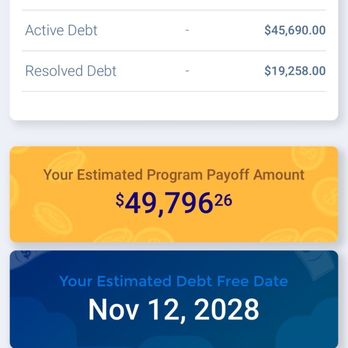
With Chapter 13 insolvency, you participate in a 3- to five-year repayment arrangement and should fulfill the payment plan before any financial obligation is forgiven. Flexibility Debt Relief can work out debt settlement in your place if you choose this is the ideal method. Generally, you make a month-to-month deposit into a devoted account (that you own and manage).
When the financial institution has accepted a settlement and you authorize it, payment is made from your dedicated account. When the regards to the contract are satisfied, the debt is behind you and you don't need to fret about it once again. Financial obligation relief programs make financial obligation payoff simpler, but you must qualify to get involved.
Important Consumer Rights to Know in 2026
Unsecured financial obligation: Lenders don't generally settle protected debt (financial obligation for which there is collateral guaranteeing the loan). As a result, your financial obligation needs to be unsecured to take part in many professional financial obligation relief programs. Proof of financial challenge: You should be facing difficulties paying your costs, and might need proof of financial difficulty, such as evidence of a task loss or earnings decrease.
Protecting Yourself From Time-Barred Lawsuits in Your AreaSteady earnings: You need to be able to afford to pay something towards your financial obligation monthly. Debt settlement can't erase your financial obligations totally. is an expert financial obligation relief program that might make it simpler for you to deal with your debts. You can connect to get a free debt examination to discover if you receive the Liberty Debt Relief program.

Latest Posts
Obtaining Professional Insolvency Help for 2026
Official Government Programs for Financial Relief
Consolidating Unsecured Debt Into a Single Payment in 2026